
Author: admin

  • What climate disclosure means for the public sector

    The Australian Government recently announced it will be phasing in climate reporting requirements for Commonwealth entities. Alan Greenfield and Sarah Wood provide a summary of what’s happening at the Commonwealth level, and an update on what’s changing for states and territories.

    As the private sector firmly focuses on navigating new climate-disclosure laws, government entities too are working out how they’ll be publicly reporting their own financial risks and opportunities related to climate. We look at what’s in store across the Australian public sector.

    Commonwealth

    The Australian Government has committed to mandatory public disclosures for Commonwealth entities and companies (which includes Commonwealth departments).

    Why introduce public sector climate-risk reporting?

    The aims for Commonwealth public sector disclosure are to:

    • Help these organisations prepare for and respond to the changing climate
    • Support the delivery of Australia’s emissions reductions targets under the Paris Agreement and the Government’s APS Net Zero by 2030 target
    • Provide greater transparency, accountability and credibility in the way climate risks are managed across the Commonwealth public sector.

    In December 2023, the Commonwealth Department of Finance confirmed the content and phasing of climate disclosures for Commonwealth entities. Here’s a summary of the key features of the disclosure regime …

    Among the aims for public sector climate reporting is greater transparency and accountability

    Which entities and companies will be required to make disclosures?

    All Commonwealth entities and Commonwealth companies will be required to make climate disclosures in their annual reports.

    What will entities and companies need to disclose?

    If Commonwealth companies meet the size thresholds for inclusion in the corporate sector disclosure regime (which we covered recently), they’ll be required to disclose under the corporate regime. The Department of Finance has estimated there are at least five Commonwealth companies that meet these thresholds at the moment.

    For everyone else, Commonwealth Climate Disclosures will apply. These are being developed by the Department of Finance and expected to be finalised in Q2 2024. In brief, they’ll:

    • Be tailored according to what type of Commonwealth entity the organisation is – non-corporate Commonwealth entity, corporate Commonwealth entity or Commonwealth company
    • Align with the requirements for the private sector, but will be specifically tailored to account for the differences in structure, objectives and functions of Commonwealth entities and companies, as well as the regulatory environments they operate under and how they interact with other government policies.

    When will disclosures need to be made?

    Similar to the private sector, disclosure requirements will be phased across four tranches. The first phase is a pilot and will be for FY 2023/24, applying to all departments of state. As standards aren’t yet finalised, these entities will use pilot requirements to complete their disclosures.

    From FY 2024/25 onwards, remaining entities will be phased over three years, according to entity type, size and profile. Large entities, those entities with responsibility for climate change policy, and high-emitting entities are the first cabs off the rank. More detail can be found on the Department of Finance’s website.

    States and territories

    While the Commonwealth is now the most advanced jurisdiction in Australia when it comes to mandating disclosures, the states and territories have undertaken several years of work on this. In 2022, the Board of Treasurers – the treasurers of the six states and two territories – agreed that all Australian jurisdictions would release a regular climate-related financial disclosure statement on a whole-of-government basis. This would be informed by the Taskforce on Climate-related Financial Disclosures (TCFD), that is, the precursor to the ISSB IFRS S2. The content and commencement date of their respective whole-of-government disclosure would be determined by each jurisdiction.

    So where is each state or territory up to in producing a whole-of-government climate disclosure statement? Here’s a brief rundown, including whether they’ve announced mandatory disclosures at an entity level …

    Victoria

    State of play – In 2022, the Victorian Government produced a whole-of-government Climate-related Risk Disclosure Statement, marking the first time in Australia a government had disclosed in line with the TCFD recommendations. The primary purpose is to outline how the Victorian Government is:

    • Managing climate-related risks to the state of Victoria, and to the Government’s delivery of services to the community
    • Seizing the opportunities associated with the transition to a net-zero, climate-resilient economy.

    While the Commonwealth is now the most advanced jurisdiction in Australia when it comes to mandating disclosures, the states and territories have undertaken several years of work on this.

    On an individual entity level, departments and administrative offices must disclose a description of the entity’s approach to understanding and managing climate-related risks and opportunities relating to its assets, operations and service delivery, and (where possible) a description of its planned responses. The statement should be modelled against the recommended pillars of the TCFD (Governance, Strategy, Risk Management, and Metrics and Targets).

    Next steps – Victoria’s future work program for climate risk includes:

    • Increasing the evidence base for climate action to develop policy responses and harness Victoria’s climate-related opportunities
    • Using climate scenario analysis
    • Strengthening the understanding and assessment of the impact of climate change on the Victorian economy and on the financial performance and position of the state
    • Bolstering enterprise risk management frameworks to ensure climate-related risks are effectively identified, assessed and managed through departments.

    New South Wales

    State of play – In 2021, the NSW Government announced it would be conducting a climate disclosure statement pilot on three public sector organisations – Essential Energy, the Environment Protection Authority, and the National Parks and Wildlife Service. The disclosures were published in late 2022 and align with the TCFD framework.

    Next steps – In November 2022, the NSW Government said learnings from the pilot would be used to:

    • Produce a guide to support government entities intending to make climate-related disclosures in future
    • Help the NSW Government develop a whole-of-government climate-change disclosure.

    In December 2022, The NSW Government’s Net Zero Plan Implementation Update 2022 committed all NSW agencies to identify their own climate change risks by the end of 2023.

    Queensland

    State of play – In June 2023, Queensland Treasury provided an update to Queensland agencies where it noted sustainability reporting for the Queensland public sector is still under development and will be whole-of-government led. For the 2022/23 reporting period, it told agencies they should not apply draft ISSB standards or the TCFD framework.

    Next steps – Queensland Treasury will provide further information on how the ISSB standards will apply to agencies in future reporting periods.

    Western Australia

    State of play – Similarly to Queensland, the Western Australian Office of the Auditor General (OAG), in December 2023, noted several Western Australian government entities (mainly government trading enterprises) had started to consider and disclose climate-related financial risks. In its annual report, the OAG commended entities’ efforts towards providing climate-related disclosures and commentary. But it noted that in the absence of specific standards and templates, entities should use caution before making any disclosures. It also reminded entities that disclosures must be adequately substantiated.

    Next steps – The Western Australian Parliament, government and central agencies are determining what level of reporting requirements would apply to public sector entities in Western Australia, based on what is proposed and enacted nationally, and will update the financial framework accordingly.

    We expect to see more announcements from states and territories this year, as they work out further details and as the momentum continues to build internationally towards standardised, mandatory climate disclosures.

  • Mandatory climate disclosures – what’s new for insurers

    In 2023, mandatory climate disclosures were a major talking point for Australia’s business community, as the Australian Government announced plans to implement new reporting rules. With the New Year barely underway, Treasury released its final position paper last week on mandatory climate-related financial disclosures. What does this mean for insurers? We answer all your burning questions.

    Insurers can expect some of the most important details for mandatory disclosures will be fleshed out during 2024, starting with this final position paper from Treasury. Issues considered within its pages include which companies disclosures will apply to, and the readiness of the audit and assurance community to achieve this step-change in reporting requirements. Here are the crucial points insurers will need to consider as they begin or ramp up their climate disclosure journey.

    In 2024, insurers can expect some of the most crucial details of mandatory disclosures to be decided

    What are the key takeaways from the final policy?

    • Standards will align with the International Sustainability Standards Board’s (ISSB) inaugural IFRS S2 standard, finalised in June 2023. IFRS S2 provides a common international language for disclosing the effects of climate-related risks and opportunities on a company’s prospects. The Australian Accounting Standards Board is currently consulting on modifications to these standards for Australian matters and requirements.
    • Disclosures will apply for large businesses and be phased in three groups – starting with the largest companies.
    • The smaller of the large businesses won’t automatically have to disclose, rather they’ll need to make a judgment as to whether they face material climate risks or opportunities. This reflects feedback from stakeholders about unnecessary regulatory burden.
    • Full assurance requirements aren’t applicable until 2030. This will allow the auditing and assurance profession time to adjust via the phases to a whole new area of assurance.

    Timeline – How did we get here?

    2017

    Since the release of the Taskforce on Climate-related Financial Disclosures (TCFD) report in 2017, there has been a global trend towards large businesses voluntarily (and later for some jurisdictions, mandatorily) disclosing climate-related financial information.

    2022

    In December 2022, the Australian Government committed to introducing standardised, internationally aligned reporting requirements for Australian businesses to make climate risk and opportunity disclosures.

    2023

    Last year was critical in giving effect to Australia’s commitment, with two rounds of consultation on the specific design of the reporting requirements, their implementation and sequencing. We discussed the detail of the policy design last year in our articles Climate change: key considerations for general insurers and New mandatory climate disclosures – what small to medium insurers need to know. The second consultation paper, released in June 2023, received more than 146 responses from interested parties.

    2023 was also a big year internationally, with the ISSB stating its IFRS S2 standard was ‘ushering in a new era of sustainability-related disclosures’.

    2024

    Which brings us to last week, when the Treasury released its final policy position – reflecting feedback from the earlier rounds of consultation.

    What needs to be reported?

    Reporting content hasn’t changed since the second consultation paper. Climate-related financial disclosures will include information about an entity’s climate-related risks and opportunities, as required by Australian climate disclosure standards, including:

    • Information relating to governance, strategy, risk management, and metrics and targets (including Scope 1* and Scope 2* greenhouse gas emissions). These will be required from the first year of reporting.
    • Scope 3* emissions (i.e. emissions that occur up or down an organisation’s supply chain and emissions associated with their financing or investment activities). These will be required from the second year of reporting. Scope 3 disclosures would represent information available at the reporting date without undue cost or effort.

    The Government endorses full adoption of the ISSB IFRS S2 Climate-related Disclosures standard. Modifications from IFRS S2 are limited to those necessary to ensure standards are fit for purpose for Australia (e.g. Australia’s greenhouse gas emissions estimation methodologies and international climate change commitments).

    Will mandatory disclosures apply to my organisation?

    This is a critical change, and the answer now is: not necessarily for smaller insurers.

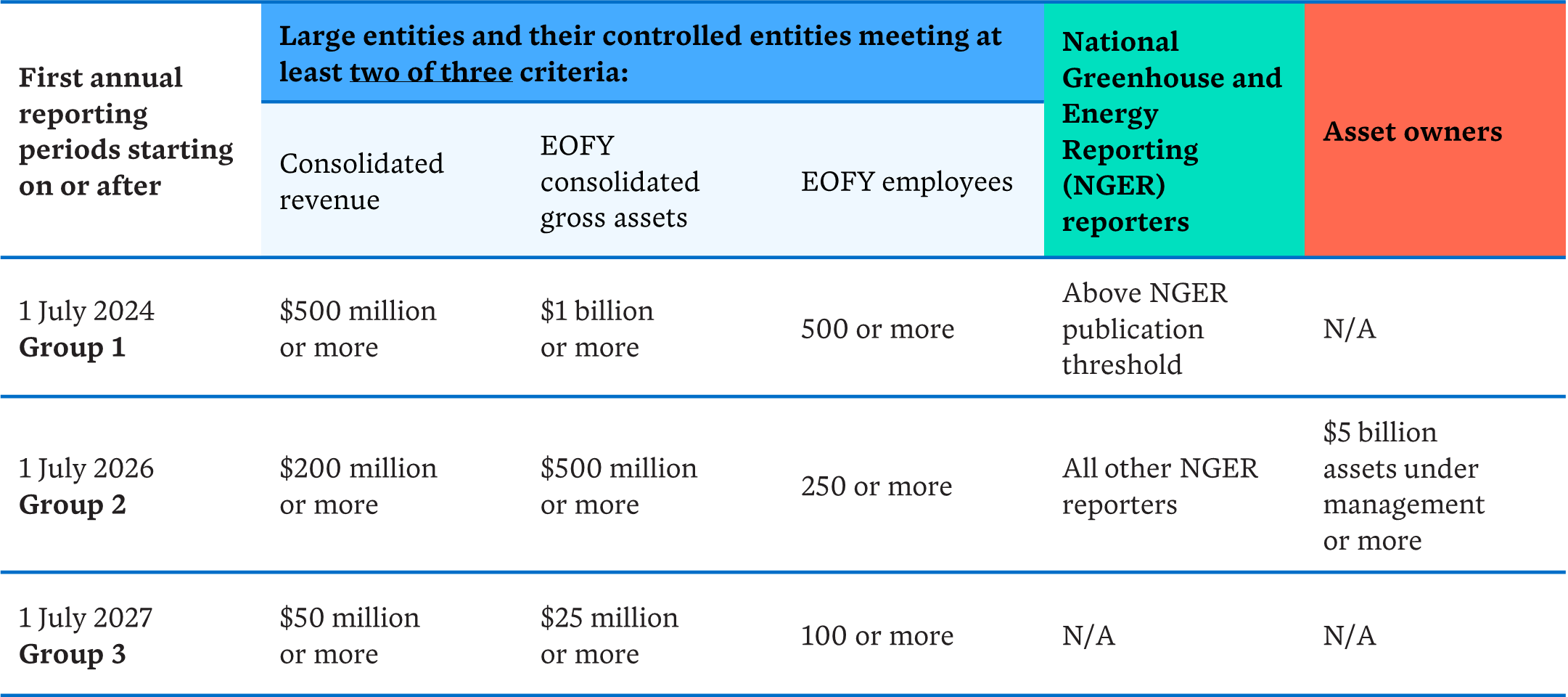
    To check whether mandatory disclosures apply, entities must be required to prepare and lodge annual reports under Chapter 2M of the Corporations Act and fall within one (or more) of the following three categories:

    Insurers will fall into one of three groups, in assessing whether mandatory disclosures apply

    Organisations (including smaller insurers) captured under Group 3 are required to make climate-related financial disclosures in line with the climate disclosure standards only if they face material climate-related risks or opportunities for the financial reporting period. Where Group 3 entities assess they don’t have material risks or opportunities, they would be required only to disclose a statement to that effect.

    This is a critical change from what was proposed last year (i.e. that all Group 3 entities would be required to make mandatory disclosures), and is in response to feedback that the regulatory burden would be excessive compared to the benefit from their inclusion.

    It’s important for insurers to note that even if they assess their organisation to be exempt (either because they don’t meet the materiality threshold for Group 3 entities, or they’re smaller in size than a Group 3 entity), they still need to consider APRA’s Prudential Practice Guide CPG 229 Climate Change Financial Risks.

    When do mandatory disclosures take effect?

    As we outline in the table above, entities subject to mandatory climate-related financial disclosure will be phased in three groups over a four-year period. The Government is asking for stakeholder feedback on whether amending legislation to require a 1 January 2025 commencement date for Group 1 entities would improve the quality of reporting during the transition year.

    Where do I make disclosures?

    Climate-related financial disclosures will sit within a sustainability report forming the fourth report required as part of financial reporting obligations in an entity’s annual report. Entities should include an index table within their annual report that enables users to easily navigate the climate disclosures. Timing of annual report lodgement, including for those required to lodge with ASIC, will stay consistent with current requirements under section 319 of the Corporations Act.

    Entities are required to make their sustainability disclosure reports publicly available on their website the day after the report is lodged with ASIC.

    Will my disclosures need to be audited?

    Yes, in a similar way to disclosures currently required under the Corporations Act for financial reports. Entities will need to obtain an assurance report from their financial auditors, who’ll use technical climate and sustainability experts where required. These requirements will eventually be set out in Australian assurance standards for climate disclosures.

    Importantly, the Government has intentionally not mandated a roadmap for the phasing in and scaling up of assurance requirements for climate disclosures, due to the:

    • Capability uplift required in the assurance and audit industry
    • Uncertainty in determining how long this could take
    • Development of an international standard on sustainability assurance, which is underway but not expected to be finalised until the end of 2024.

    Limited assurance of Scope 1 and Scope 2 emissions is required, scaling up to the reasonable assurance of climate-related financial disclosures by 2030. The roadmap to reasonable assurance will be flexibly determined by the Auditing and Assurance Standards Board (AUASB).

    What else do I need to know?

    Entities will be required to disclose against well-established and understood industry-based metrics only from 1 July 2030. They can choose to disclose relevant industry-based metrics voluntarily prior to this date. Interested insurers should actively engage in the Insurance Council of Australia’s climate change program of work to keep up to date with insurance-industry-specific metric discussions.

    There is also liability relief for disclosures relating to Scope 3 emissions and certain climate-related forward-looking statements for a fixed three-year period. For reports issued between 1 July 2015 and 30 June 2018, only the regulator will be able to bring action relating to breaches of relevant provisions, and the remedies available to the regulator are limited to injunctions and declarations.

    What are my first steps?

    Insurers should make an initial assessment as to which reporting group (1, 2, 3 or N/A) they’re likely to belong by the end of the relevant financial reporting period. This will help determine whether you should automatically start preparing for mandatory disclosure or need to assess whether or not you face material climate-related risks or opportunities.

    *As a refresher, Scope 1 are direct GHG emissions that occur from sources that are owned or controlled by the company (e.g. emissions from combustion in owned or controlled vehicles). Scope 2 are emissions from the generation of purchased electricity consumed by the company, and Scope 3 are all other indirect emissions.

  • Living life to the full – Dan’s on a role

    Living life to the full – Dan’s on a role

    From moving countries to swapping a public sector career for private consulting – all while juggling four kids, a sporty lifestyle and numerous pets – Daniel Stoner was never afraid to challenge his limits. As he begins his newest chapter, as Principal at Taylor Fry, Dan shares his career journey, passions and aspirations.

    Did you always want to be an actuary? What do you enjoy most about the work you do?

    It wasn’t an ambition I had when I was young, but I was good at maths. This led to a Mathematics degree and the actuarial profession seemed like a good opportunity to use my maths skills. Early on in my career, experiences at a consulting firm and a corporate bank helped me realise I’m most passionate about community-oriented work that delivers social value.

    I sought work in the social sector and moved from Auckland to Wellington to join the Ministry of Social Development (MSD). Although it’s not a traditional actuarial area, our skills for forecasting and having a risk mindset have clear applications to social sector issues because these are long term in nature, and often intergenerational.

    Bring it on: Dan goes with the flow, dividing his time between work, family and the great outdoors

    At MSD, I worked once a week at a Work and Income office, which is New Zealand’s equivalent to Centrelink. That gave me invaluable frontline perspective on who’s most impacted by the work I do. Although we’re not the ones applying interventions directly, my work informs system-level factors that can have a significant impact on people’s lives – and this is really motivating for me.

    Why did you decide to join Taylor Fry?

    Taylor Fry has had a long-standing partnership with the New Zealand government and specifically MSD, modelling people’s long-term social outcomes. While at MSD, I worked closely with the Taylor Fry team on how best to translate their modelling results into insights that best informed the policy and operational settings for the ministry. It was clear we shared similar values – they were so down to earth and genuine. They were also technically excellent, and I was excited by the opportunity to join them.

    The prospect of leading such a strong team is exciting  … to make a worthy difference together across a variety of social issues here in New Zealand.

    What does this new role mean for you?

    What’s most important for me is to be able to continue doing good work that has a positive impact and means something for others. At the same time, the prospect of leading such a strong team is exciting – supporting their professional development as social sector actuaries to make a worthy difference together across a variety of social issues here in New Zealand. We have a great opportunity, especially with the new government, to offer our unique capabilities and facilitate effective social investment.

    How does your life play out away from work?

    My hands are full! My wife and I have four children, and about 30 pets, including chickens, cats, dogs and fish. I enjoy supporting the kids’ interests, particularly sports – having been an avid triathlete and footballer when I was younger. I coach junior sports teams, and volunteer for sporting club committees and my kids’ school board. If I have any spare time, you’ll find me on my bike or out for a run soaking in the spectacular natural New Zealand landscape – so soothing for the soul!

    Learn more about Dan’s work in the social sector

  • How inflation is changing the insurer landscape

    We look beyond the headline numbers to assess where the current inflationary pressures are being felt most, the outlook for FY24 and what insurers can do to thrive over the next few years.

    Our analysis shows we’re past the inflationary peak for most sectors, but inflation continues to remain above long-term average levels and will increase claims cost pressures for insurers. Indeed, in its recent report on the Australian economy, the International Monetary Fund said headline inflation’s “decline is slow and core inflation remains sticky”. At a minimum, insurers will need to have a deep understanding of the drivers of inflation for each loss type and the flow-on impact on claims costs and premiums.
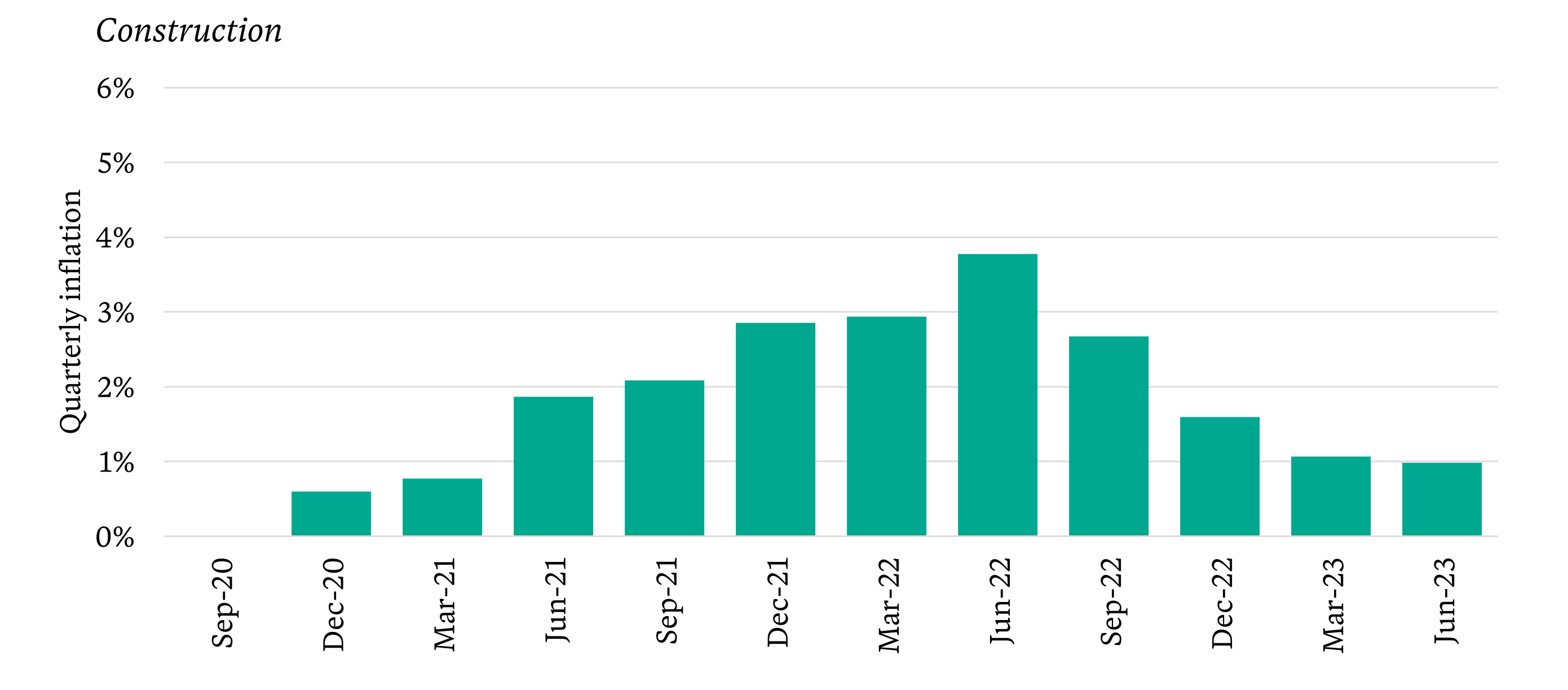
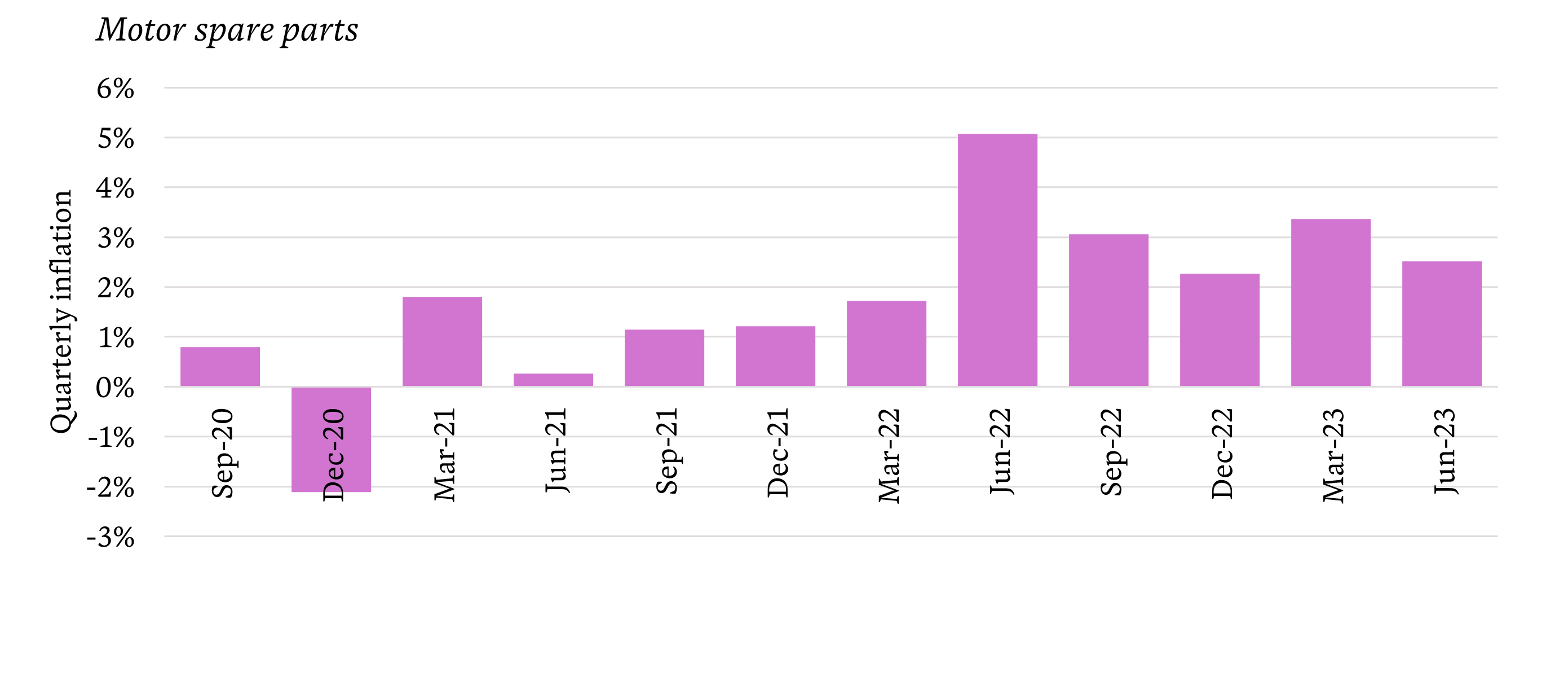
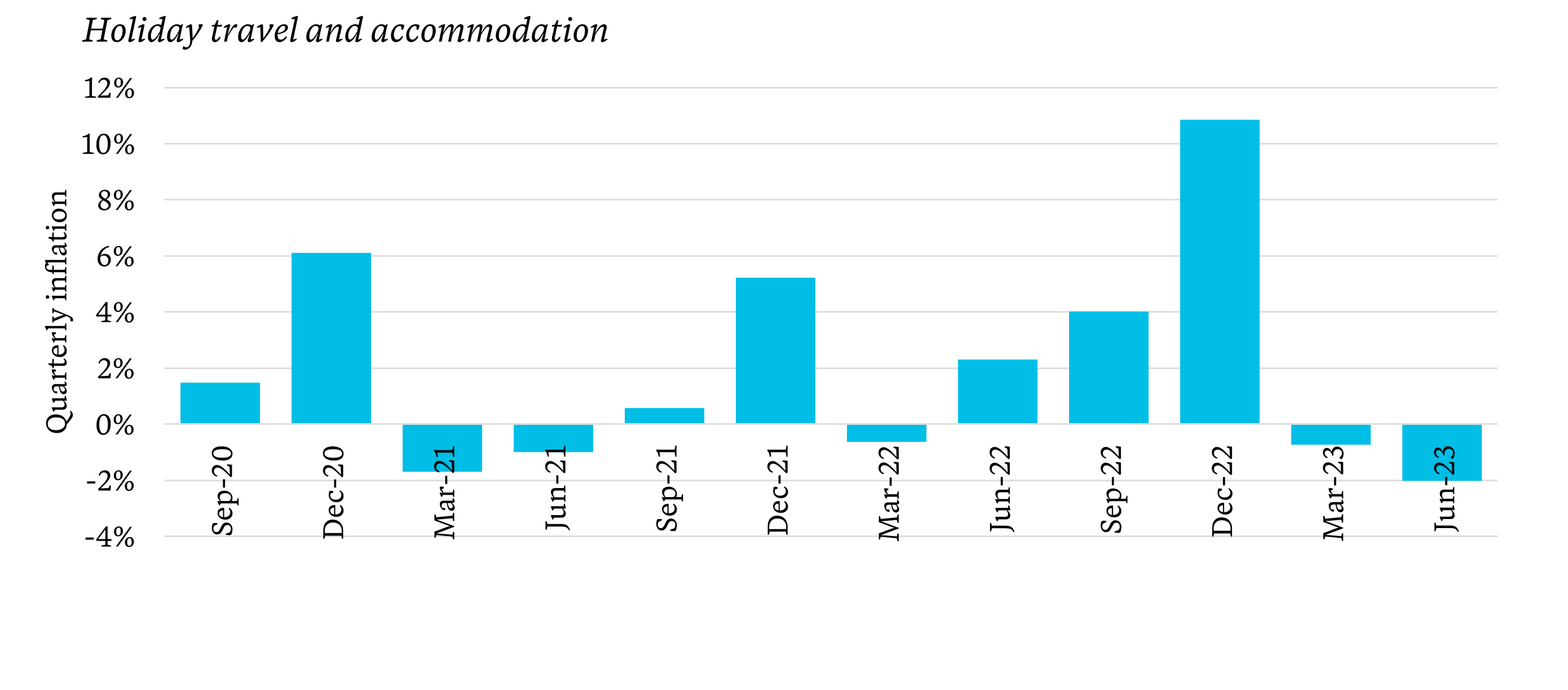
    Construction, motor parts and travel are key drivers of claims cost inflation for property, motor and travel insurers. We summarise the Australian Bureau of Statistics quarterly inflation figures for the three areas to help us capture the impacts on insurers.

    With claims costs increasing, insurers will need to understand inflationary drivers and impacts

    Key driver 1 – Construction

    Over the two years to 30 June 2023, construction costs have increased by 20%. Cost pressures have been driven by an increase in demand for materials combined with supply constraints and increases in energy and freight costs. The good news is that the past two quarters show construction cost increases are slowing. We expect material cost pressures will reduce over FY24, as supply chain pressures reduce and demand weakens.
    Of course, the cost of construction is only one of the factors contributing to claims costs and premiums. Unfortunately for homeowners, the increasing frequency and cost of catastrophes and increases in reinsurance costs continue to drive up premiums, despite the weakening inflationary pressures on construction costs. IAG increased home insurance premiums by 20% from February 2023.
    In its recent thought leadership report, Home Insurance Affordability Update, the Actuaries Institute states 12% of households are now affordability stressed, paying more than four weeks’ gross income towards home insurance premiums. Various initiatives and measures to mitigate these risks have been proposed but will take time. Meanwhile, affordability stresses will further increase as the risks continue to rise and insurers are flagging additional premium increases.

    Construction cost increases are slowing, but catastrophes continue to drive up premiums

    Key driver 2 – Motor spare parts

    Motor parts costs have increased by 23% in the past two years. Supply chain constraints and labour shortages are mainly behind increases in claims costs for insurers. Advancement in technology used in vehicle components is another key contributor. In particular, components that are most likely to be damaged in a collision such as headlights and windscreens have seen sharp price increases due to technological advancement in modern vehicles, including advanced driver-assistance systems and smart sensors.
    The increase in motor parts costs has impacted motor insurance premiums over the past few years. Reflecting this experience, APRA’s latest general insurance statistics show a 14% increase in average premiums over FY23 for the industry.
    We expect motor vehicle cost pressures to remain elevated in FY24. The main pressures over the next year come from labour shortages in the motor repair industry and the supply of spare parts, which will have an impact on repair times and costs.

    APRA reports a 14% increase in average motor premiums and we expect cost pressures to remain

    Key driver 3 – Holiday travel and accommodation

    In good news for travellers, the cost of travel and accommodation reduced by 3% in the six months to June 2023, following record high prices last summer. The price increases in the past two years are due to a combination of increased demand post COVID-19, the cost of aviation fuel and reduced supply of air travel.
    The outlook is for prices to reduce further as supply comes back online. Travel insurers will need to watch this space closely and adjust premiums to remain competitive.

    Prices for travellers should further reduce from earlier record highs, as supply comes back online

    Top 4 insurer actions – What it will take to thrive

    In addition to closely monitoring claims costs and adjusting premiums, there are several actions insurers can take to thrive in this environment:

    1. Focus on customer retention strategies, given substantial price increases – Price is not the only factor that determines whether a customer renews. Improving customer experience – at the time of acquiring a policy or receiving a claim and when responding to a customer enquiry – is now more important than ever. For example, claim settlement times are being slashed with the industry investing in technology and artificial intelligence to help reduce the time it takes to assess a claim from weeks to minutes. The standout in this space is Lemonade Insurance, setting a new record of paying a claim in under two seconds.
    2. Be alert to an increase in the number of vulnerable customers and review your financial hardship policies – Vulnerability is broad and can be situational. It’s important your customer service team is on high alert and can spot the signs.
    3. Consider the potential for increased fraud/claim exaggeration activity, as ongoing cost pressures hit home for consumers and businesses – In 2017, the Insurance Council of Australia reported insurers detected $280 million in fraudulent claims across personal lines classes. The true cost of fraudulent claims will be multiples higher than this and can be expected to increase in times of economic stress. The industry is investing in AI to detect fraud and flag claims for additional review. Provided these solutions are applied correctly, this is a positive development for consumers.
    4. Closely monitor customer churn, with a focus on retaining your most profitable customers – Large premium rate increases are associated with an increase in churn, as customers search for a better deal. In this environment, it’s increasingly important for insurers to understand profitability at a customer level and focus efforts on retaining customers who have a high lifetime value. Insurers that have a comprehensive understanding of individual risks and provide a great customer experience, as we outlined in Action 1., will be best placed to weather the storm.
  • RADAR FY2023 New Zealand Snapshot

    Affordability and a shifting regulatory environment – including upcoming ESG obligations – are dominating industry experience across the nation. In RADAR FY2023 New Zealand Snapshot, we use the latest data and our market expertise to shed light on the New Zealand general insurance landscape and help insurers chart a steady path forward.


    Download our report
    to understand the latest developments and understand what it all means for insurers

    The NZ general insurance industry is facing a raft of change on various fronts, with natural disasters once again the leading concern. This time, they’ve struck on a scale never before seen in Aotearoa, accelerating discussion around managed retreat from high-risk locations and frameworks to address the issues.

    At the same time, the Reserve Bank and the Financial Markets Authority are firmly focused on ensuring regulatory settings respond appropriately to a rapidly evolving marketplace.

    More proactive and intensive supervision of insurers is likely, while fair conduct, customer expectations and cyber reporting are all high on the agenda.

    Our report also highlights the wave of upcoming standardised Environmental, Social and Governance (ESG) reporting disclosures – the biggest changes to financial reporting and disclosure standards in a generation – as well as a host of other ESG obligations on the horizon.

    RADAR New Zealand FY2023 Snapshot offers critical insurance insights, exploring all the important details, considerations and actions for insurers in building resilience and sustainability for Aotearoa in 2024 and beyond.

  • Workers compensation and our ageing workforce

    Australians are expected to live longer than ever before and in better health, which means many of us will work for more years and retire later. What are the impacts for workers compensation? We explore the unique challenges and opportunities for governments and society posed by our ageing workforce.

    Over the next 40 years, the number of people aged over 65 is expected to double, while the number of people aged over 85 is expected to triple, according to the Australian Government’s latest  intergenerational report.

    People over 65 are more likely to prefer working part time and may seek less physical jobs

    Not only are Australians expected to live longer, but they’re also expected to spend more years in good health. With better health and longer life expectancy, many Australians will spend more years working and retiring later. There are several reasons for this, including:

    • Sharp and ongoing increases in cost of living
    • To help stay mentally and physically active
    • To accumulate higher savings for when physical work is no longer possible, which may contribute to maintaining standards of living in retirement
    • To help provide financial support to family for longer.

    Analysis conducted by the Australian Institute for Health and Welfare suggests that increased workforce participation is already happening for older people. Average workforce participation for over-65s  has increased from 10.6% in 2010 to 14.8% in 2021. This has been observed for males and females.

    Research published by Macquarie Business School, has recommended further increases to the age pension eligibility age, from the current legislated amount of 67 years up to 70 years by 2050. While the government has not yet announced any intention to further increase the age pension age, it’s no doubt a useful lever for it to manage the costs of a larger Australia (about 40 million by 2062) and an older population.

    With people expected to live and work for longer, we’re likely to see a continuing ageing of the Australian workforce. This will bring some unique challenges for workers compensation systems.

    Older workers – Needs vs risks

    As workers age, the type of work the choose to do also changes. For example, people aged over 65 are more likely to prefer working part time than full time. Similarly, older workers may shift from more physically intensive jobs towards desk  . It’s important for schemes and employers to understand changes in the mix of their employees over time and how that could impact employee exposure to injury and ability to return to work.

    Understanding claimant patterns

    Analysis published by Workcover WA indicates that workers aged over 55 are 50% more likely to lodge a workers compensation claim than workers aged 15-34. There may be several reasons for this, including:

    • Older people can be more susceptible to injuries, particularly slips and trips and bodily stress, as a higher proportion of older workers suffer from chronic health conditions
    • Experienced workers may be less worried about burning bridges with their employer by making a claim.

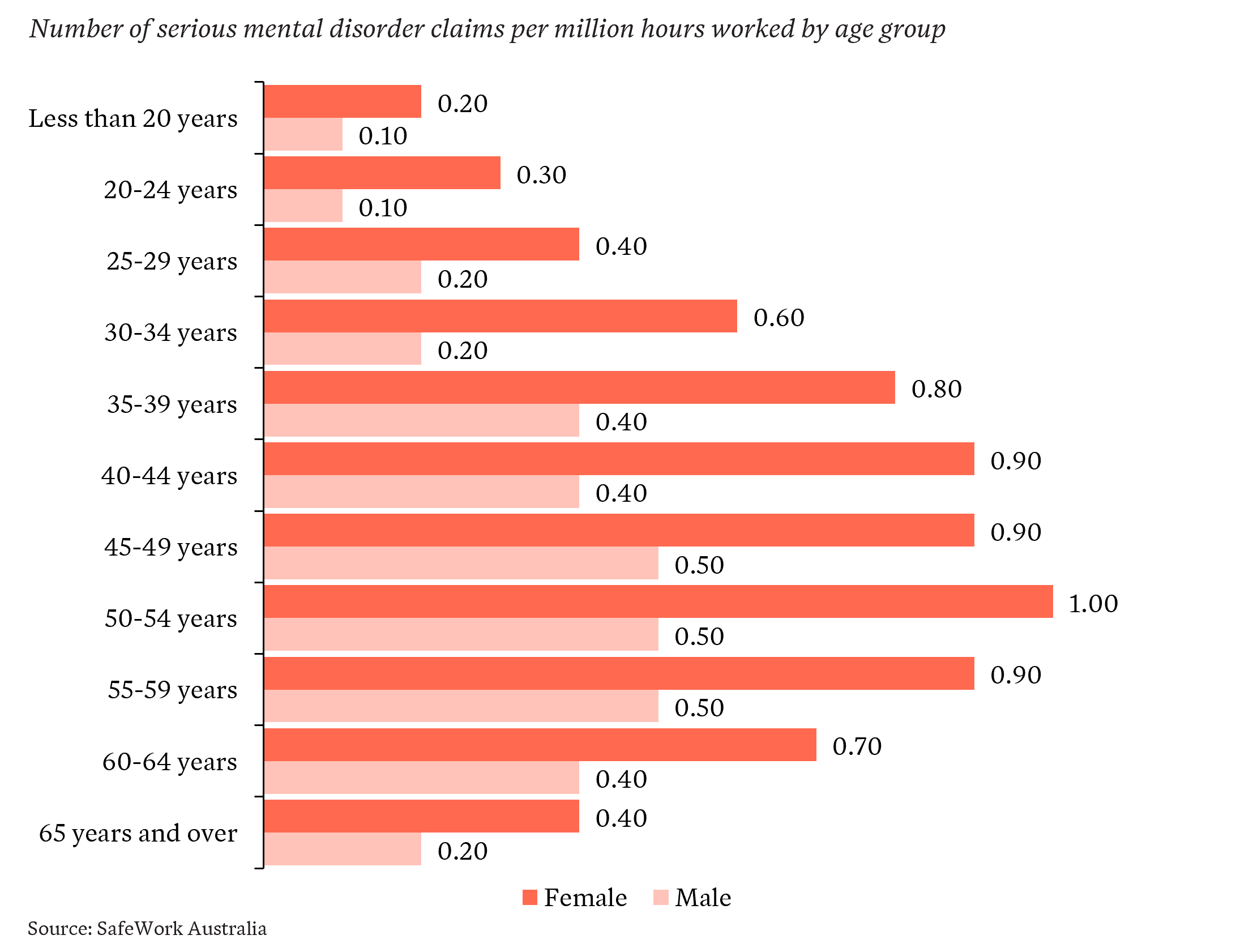
    Separate analysis published by SafeWork Australia in 2015, states that workers over 40 are more likely to be compensated for a work-related mental injury condition than workers under 40. This has been observed for both males and females, as the chart shows below.

    Older workers are more likely to claim for different types of injuries, including psychological

    While the frequency of serious mental disorder claims seems to be highest for middle-aged workers (40-59 years), the frequency for older workers (over 60 years) is notably higher than the frequency for younger workers (24 years and under). SafeWork Australia further notes that older workers (over 55 years) had a 128% higher chance of being awarded a mental disorder claim as a result of work pressure compared to workers aged 24 years and under.

    A unique risk profile

    These analyses indicate that older workers have a unique risk profile and are more likely to claim for different types of injuries (across both physical and psychological injuries), compared to younger workers. A shift towards an older working population will therefore likely result in a change in the frequency and mix of types of injuries.

    Publicly available research from other schemes is limited, however it’s likely that other schemes may be facing the same changes, particularly larger schemes covering a wide range of industries and workers. Different industries are likely to have different worker age and occupation profiles and therefore the impact of an ageing workforce is likely to differ across industries.

    Look beneath the surface of return-to-work rates

    There may be several contributing factors and reasons return to work can be difficult for older workers, including:

    • Less effective rehabilitation for people with chronic health conditions
    • A higher propensity for mental injuries, which have worse rates of return to work
    • It may be more difficult to find suitable duties for older workers to return to
    • People towards the end of their working career may have less incentive to return to work.

    A shift towards an older working population will likely result in a change in the frequency and mix of types of injuries.

    Higher claims incidence and poorer return-to-work rates may put more pressure on the financial stability of workers compensation schemes, however it’s important to assess the impact of an ageing claimant base on different benefit types. For example, incapacity benefits typically cease once a worker reaches the age pension age, whereas medical benefits usually extend beyond this age. There may be less pressure on incapacity benefits, with more claimants above the age pension age, but this might be offset by increased pressure on medical benefits.

    Forward-thinking approach to gain the benefits

    More research is needed to understand the impacts of the ageing workforce to date, in particular to identify if there’s a notable correlation between worker age and costs of workers compensation claims. It’s important schemes collect detailed data on age profiles of employees as well as claimants. This will support analysis of claims incidence, claims cost and return-to-work rates by worker age and occupation.

    It’s likely employers and industries will need to reform their occupational health and safety procedures to account for their older workforce and the associated risks.

    Governments could consider scheme changes to better address the needs of an ageing workforce, such as:

    • Increased focus on injury prevention and effective rehabilitation
    • Better management of long-term injured claimants
    • Assessing whether the current level of cross-subsidisation of premiums between employers with a younger workforce versus an older workforce is still appropriate.

    Despite the issues with an ageing workforce, research in recent years has explored the benefits of hiring older workers, such as higher levels of skills and experience, more employer loyalty and lower workplace absenteeism. By investing more in research and proactively designing scheme changes, Australia will be well placed to maximise its benefits from the ageing workforce, while minimising its risks.

  • How AI is transforming insurance

    2023 is the year artificial intelligence went mainstream for work, study and play. The insurance world has been quietly realising AI’s potential for years – to improve customer experience, increase efficiency and reduce costs. We explore what AI is bringing to the industry and where insurers can seize opportunity.

    Applications for AI in insurance span a range of operational areas, from pricing and underwriting through to customer interactions and claims processing. We break down how AI is being applied in key areas, where we’re seeing the biggest developments and what’s next for insurers.

    Boosting efficiency, accuracy and possibility in underwriting

    AI-led improvements in underwriting efficiency and practices are helping insurers boost sales opportunities by reducing the turnaround time for quotes, and improve risk assessment to support better pricing and profitability. In personal lines, where most customers purchase directly from an insurer, AI helps reduce the number of questions required in quote forms and, in certain cases, pre-fills questions. United States insurer State Farm and local player Suncorp, for example, use machine learning applied to geospatial images to streamline home insurance quoting and tie characteristics of the property to potential losses.

    AI helps reduce the number of questions required in quote forms and can sometimes pre-fill questions

    For commercial lines, where much of the underwriting process is manual, AI helps rapidly extract relevant information from documents. In the US, Liberty Mutual is demonstrating the benefits by applying natural language processing to documents to quickly extract relevant information to underwriters. This supports their conversations with brokers and customers, and halves the time required to extract loss data for mid-size and large accounts.

    More streamlined, effective claims assessment

    Image recognition helps simplify and streamline claims assessment, and supports enhanced digitisation of customer experience. This includes Aviva UK’s use of property and motor vehicle damage images to estimate repair costs, and IAG Firemark Venture’s recent investment in Ravin AI, an Israeli tech start-up. Ravin AI produces automated motor vehicle damage and repair cost estimates, which are based on customers’ mobile phone images.

    Moving beyond image recognition, natural language models, including large language models, are helping to extract relevant information from claims forms and notes. This increases the efficiency and effectiveness of claims teams, who can focus their time on claims requiring closer human review. For example, United Kingdom insurer RSA is applying this technology to claims from its pet insurance portfolio, automating the reading and extraction of relevant data from medical reports, treatments and progress notes.

    Chatbot makeovers for enhanced customer experience

    Most people are familiar with the artificial intelligence chatbot. Following recent advancements in large language models, such as those underpinning ChatGPT, the chatbot has benefitted from significantly enhanced capability and performance. Insurers employ these not only as direct-to-consumer instant messaging platforms to answer simple enquiries but also as ‘in house’ assistants to customer service centres.

    AI supports conversations with brokers and customers, and halves the time required to extract loss data for mid-size and large accounts.

    US-based Allstate Insurance’s ‘Amelia’, for example, leads call-centre employees through step-by-step procedures to help answer a variety of customer questions. Amelia also ‘listens’ to interactions she doesn’t understand, to expand her knowledge. Allstate says the benefits of Amelia include a reduction in the time taken to train new employees, and she’s also helping employees better comply with industry regulations.

    Innovations amid a warming world and a focus on bias

    With predicted investment in AI growing to $200 billion worldwide by 20251, we’re going to continue to see innovations in the insurance field. Budding research into AI for disaster prediction, management and relief is especially relevant for insurers in a warming world, with more frequent and intense weather events. In particular, researchers are developing frameworks that combine pre-disaster images with weather data and trajectory of hurricanes. These provide rapid insights on damage caused by natural disasters, with potential to assist in allocating resources for assessment, repair and disaster relief.

    Another strand of research looks to address potential bias and inequities introduced by AI pricing models. Discrimination-free pricing, for example, seeks to produce pricing models that avoid direct or indirect discrimination based on protected features such as gender, while maintaining overall model performance. This has been motivated in part by European Union regulation banning pricing discrimination based on protected attributes. We expect bias and fairness to become a focus of pricing models more globally, as insurers respond to rapidly developing government regulations and directives on the use and application of automated decision processes.

    Exciting times ahead, but risk management key

    While insurers have a lot to be excited about with the current and emerging uses of AI, it’s also a time to ensure systems and processes help them navigate the challenges posed by its use. AI processes can be brittle, exposing insurers to financial, regulatory, legal and reputational risks. Examples include financial losses driven by ‘rogue’ underwriting or pricing algorithms, legal penalties from breaches to customer privacy requirements and loss of goodwill from inequitable treatment of customers.

    Insurers will need to ensure their risk management practices are appropriately structured to incorporate, manage and mitigate AI-specific risks and provide a firm basis for meeting increasing regulatory and compliance requirements. These include impending government regulation on artificial intelligence and significant expansion of requirements under the Privacy Act. By expanding the legislation, the government aims to capture a much broader range of data-related practices, and increase customer rights to control how their data is used and stored.

    This article first appeared in RADAR FY2023, Taylor Fry’s annual roundup of Australia’s insurance landscape.

  • Disability report reveals major inequality, need for collective action

    In new analysis for the Actuaries Institute, Laura Dixie and Hugh Miller examine the deep, systemic disparities between people with disability and those without, highlighting the need for inclusive, societal changes, beyond government policy.

    One in five people with disability experience social isolation, while one in three people with disability experience loneliness – in each case, twice the rate for people without disability. People with disability are three times more likely to die by suicide.

    These shocking statistics, among many others exploring the inequality faced by people with disability in Australia, are revealed in the Actuaries Institute’s latest report, released today.

    Not a Level Playing Field – People with Disability, authored by Laura Dixie and Hugh Miller, builds on their earlier Green Paper for the Institute, which found across the nation overall, the economic divide between Australia’s rich and poor is now significantly higher than in the 1980s.

    A positive step is to see disability through a rights-based lens, rather than as a problem to fix

    In their most recent report, Laura and Hugh focus on the inequality for people with disability. In the domain of social inequality, they found compared to people without disability, people with disability are:

    • 6 x more likely to be a recent victim of violent crime
    • 5 x more likely to experience homelessness
    • 3 x more likely to be in out-of-home care as a child
    • 6 x more likely to be incarcerated.

    The report outlines several economic inequalities, including an average disposable income gap of $24,000. People with disability are also three times more likely to be unemployed or underemployed.

    “Improving policy and outcomes for people with disability is complex,” Laura says. “But despite the challenges efforts are ongoing, and the current discourse and prominence of the issues highlights the potential to effect meaningful change.”

    … the evidence shows it is crucial to place people with disability and their carers at the centre of developing government policy that affects them.”

    For example, the release last month of the Disability Royal Commission’s final report, included a suite of recommendations to improve circumstances and reduce maltreatment. Also, the release last year of the Australian Disability Strategy 2021-2031, is already helping to increase accountability with its suite of indicators, which are routinely tracked.

    “To achieve valuable change, the evidence shows it is crucial to place people with disability and their carers at the centre of developing government policy that affects them,” Laura adds. “This ensures they play a direct role in identifying what adjustments or support they need.” In the report, Laura and Hugh also urge improved data collection and the use of linked data to better understand disability supporting more effective decisions.

    Beyond government policy, they say efforts are required across society to view disability through inclusive rights-based models, rather than through a medical lens as a problem that needs fixing.

    To further address the gaps, Laura says, “Collaboration between leaders in government, business and the general community will be critical in reducing discrimination and stigma, growing awareness and ultimately creating a more inclusive, safe and equal society for people with disability.”

  • How AI will be impacted by the biggest overhaul of Australia’s privacy laws in decades

    After receiving more than 500 submissions, the Attorney General has released the Government’s much-anticipated response to the consultation process for amending the Privacy Act 1988 (Cth). With the Government’s commitment to introduce legislative changes in 2024, we explore the key proposed changes that may impact AI and outline how organisations who use AI can prepare for these changes.

    In a significant move to address concerns around consumer privacy protections, Attorney-General Mark Dreyfus has unveiled the Government’s response to the Privacy Act Review Report (the Review Report) which looks to bring Australian privacy laws in line with the rest of the world. As discussed in our previous article, we anticipate these proposed legislative amendments are likely to have fundamental impacts on the ways in which organisations are able to collect and use data within AI, machine learning and related processes.

    We outline the key proposed changes that may impact AI and related processes, which the government has either agreed to or agreed to in principle, covering:

    • Expanding the scope of data that is considered to be personal information
    • Expanding consumer rights particularly around consent, use of data and rights of erasure and explanation
    • Requiring that the use of personal information is fair and reasonable.
    Proposed changes are likely to impact how organisations collect and use data within AI

    Expanding what’s personal

    Several proposed changes to the Privacy Act seek to materially increase the spectrum of data that is considered to be personal information, capturing a far broader range of data that is often used in AI and related processes. The Government has agreed in principle to all of these changes, notably:

    • Proposal 4.1 significantly expands the range of information considered to be personal information by changing the requirement for data to be “about” an individual to simply being that it “relates to” an individual. This potentially captures most of the data that can be attached to an individual customer, though the Government has indicated that the Office of the Australian Information Commissioner (OAIC) will issue guidance to confine the connection to situations where it is not “too tenuous or remote”.
    • Proposal 4.3 expands the definition of “collection” to include inferred or generated data. The “inferred” aspect of this action is likely to capture a wide swathe of model outputs, subjecting them to materially increased governance requirements.
    • Proposal 4.9 (c) clarifies that sensitive information can be inferred from not sensitive information, subjecting it to enhanced protections and further complicating AI and data governance. For example, social media interaction data is not necessarily itself sensitive, but the outputs of models that use this data to infer features such as political opinions will likely be captured.

    Taken together, these changes suggest organisations will likely need to significantly expand the reach and structure of their data governance practices, and carefully consider the nature of inferences being made by models, and how these inferences are governed and protected.

    Enhancing consumer rights

    A second category of proposed amendments to the legislation aims to provide greatly enhanced rights to consumers, in line with international trends such as the General Data Protection Regulation (GDPR) legislation in the EU.

    Some of the proposed changes would provide significantly enhanced rights for consumers to determine how their data is used, including through more nuanced rights to provide and withdraw consent, and the right to erasure of personal data. Specifically, the Government has agreed in principle to the following proposals:

    • Proposal 11.1 amends the definition of consent to provide that it must be voluntary, informed, current, specific and unambiguous. Of these aspects, the “specific” component is likely to be of most interest for organisations who make wide use of customer data across multiple functions and processes, potentially requiring consent for the specific use cases.
    • Proposal 11.3 expressly recognises the ability for customers to withdraw consent, and to do so as easily as the provision of consent.
    • Proposal 18.3 provides a right for erasure of personal information on request from an individual, subject to some exceptions around public interest and various technical exceptions.

    Some customers’ consent profiles will change over time and across use cases. The above proposals potentially establish requirements for careful tracking of exactly where individual customers’ data is used and the development of mechanisms to remove the data from processes where consent has been withdrawn. Moreover, there’s a question as to how far the requirement to delete information extends. For example, it is unclear whether the legislation would require AI models that have already been trained on customers’ data to be trained to “unlearn” it within the model. Depending on the model and data structure, such a requirement may introduce significant compliance challenges. As discussed in a previous article, a growing body of research seeks to address these challenges, though technical limitations remain.

    Changes provide enhanced rights for consumers to determine how their personal data is used

    A second class of proposals provides enhanced rights for consumers to receive explanations for how their data is used, including its use in automated decision-making processes, such as those built around AI.

    • Proposal 18.1 provides a right for individuals to access, and to an explanation about, their personal information if they request it, with Proposal 18.1(c) including a requirement that the organisation provides an explanation or summary of what has been done with the personal information.

    Proposals 19.1, 19.2 and 19.3 set out more explicit rights to explanation for substantially automated decision procedures that have a “legal or similarly significant impact” on an individual’s rights, including a right to request “meaningful information” about how these decisions are made. Importantly, the Government has agreed to these proposals (compared to the less committal agreement ‘in principle’ for other proposals). The details underpinning these are passed to the OAIC to develop guidelines, and the Government notes an intention to align with the AI regulation under development by the Department of Industries, Science and Resources. We note that there are two key uncertainties in these requirements:

    1. What counts as a “legally or similarly significant effect” – the original consultation paper noted a potentially wide range of cases including decisions in relation to insurance underwriting, access to credit and heath care service allocation – it will be up to the OAIC to clarify.
    2. What is construed as a “meaningful explanation” of how the decision was made. For example, whether a high level discussion along the lines of “we consider a range of factors including x,y,z” will suffice or whether much more explicit and detailed information is required along the lines of which individual factors contributed to the decision and the extent to which they contributed.

    Fair and reasonable use

    Several of the proposed changes, which the Government has agreed to in principle, provide more explicit requirements on organisations to consider the use of personal information in each use case. Specifically:

    • Proposal 12.1 requires that the collection, use and disclosure of personal information is “fair and reasonable in the circumstances”.
    • Proposal 12.2 clarifies the considerations that need to be made in determining whether a use is fair and reasonable in the circumstances. Of these, we point out part (c) that states “whether the collection, use or disclosure is reasonably necessary or directly related for the functions and activities of the agency”.

    Under these proposed changes, organisations would be prudent to have a careful approach to selecting features for inclusion in models, that includes a “fair and reasonable” aspect on top of more statistical bases for selecting model features.

    Organisations would do well to prepare for these changes by reviewing how they capture, process and use customer data throughout existing and planned AI, machine learning and automated decision-making processes

    What organisations should be considering

    The Response to the Report highlights the changes that are likely to come with reforms to the Privacy Act, though many of the details still need to be refined through focused consultation in the lead up to introducing the updated legislation in 2024. Nevertheless, the Government has provided some clear signals around how the legislation is likely to shape up.

    Organisations would do well to prepare for these changes by reviewing how they capture, process and use customer data throughout existing and planned AI, machine learning and automated decision-making processes. In particular, they should:

    1. Audit their AI and machine learning processes under the new definitions of personal information.
    2. Assess if data flow within these processes meets the “fair and reasonable” criteria and minimise unnecessary data uses.
    3. Evaluate processes against the “legally significant” benchmark and ensure decision transparency.
    4. Update data consent tracking systems to comply with the new requirements where required.
    5. Review and, where needed, amend guidelines for future development of AI, machine learning and substantially automated decision procedures to continue providing “privacy by design” guarantees.

    Visit our Ethical AI and Governance page

    For more information on the services we offer to support organisations ensure  AI, machine learning and automated decision-making processes are fit-for-purpose, compliant and build customer trust.

  • RADAR FY2023 – Biggest profits since 2014, but affordability threatens sustainability

    Welcome to RADAR, Taylor Fry’s annual general insurance rundown in what’s been a turbulent and nuanced FY2023 for the industry. Zeroing in on the major happenings, trends, hot-button topics and important details, we unravel what it all means for insurers now and in the future.

    The general insurance industry rebounded strongly during FY2023, recording a profit of $4.6 billion – the highest in almost a decade, with a healthy return on capital of 14.2%. But beneath the robust figures, affordability, impacted by inflation and climate risk, is the number one issue striking the heart of everyday life for millions of Australians, and raising sustainability concerns for insurers.

    Our analysis reveals things may worsen, as many insurers are flagging double-digit rate changes in key classes of business. Householders, in particular, was the only class posting an underwriting loss for the second year in a row.

    Download RADAR FY2023

    to explore the pressing issues and trends in this opportunity-charged landscape

    RADAR FY2023 shares trends, major topics and what it all means for insurers now and in the future. Here is a brief overview to get you started …

    Pressure building for householders

    In RADAR, Taylor Fry’s annual publication assessing general insurance performance across the industry, actuary and Principal Win-Li Toh warns, “The pressure is building for householders, with elevated inflation an ongoing hurdle, increasing the risk of underinsurance, if sums insured are not adjusted accordingly.”

    Key drivers of claims cost inflation

    The report identifies construction, motor parts and travel especially as key drivers of claims cost inflation for property, motor and travel insurers. It outlines several critical steps for insurers, including: being alert to an increase in the number of vulnerable customers; focusing on customer retention strategies; and considering the potential for increased fraud and claim-exaggeration activity.

    Volatile year for investment markets

    The strong overall industry result is nuanced, supported by a sharp improvement in investment returns, with investment income of $3 billion, compared to a $2.8 billion loss last year. But how long will this last and at what level? A decline in consumer and business confidence, high levels of inflation and recessionary talks point to a volatile year for investment markets.

    “The pressure is building for householders, with elevated inflation an ongoing hurdle, increasing the risk of underinsurance, if sums insured are not adjusted accordingly.”

    Mitigation signals slow but positive change

    Mitigation initiatives signal positive but slow change. The industry is making the case for a multifaceted solution, focusing on restructure of insurance taxes, subsidies for high-risk properties and government-sponsored property buy-backs in cases of extreme risk. Win-Li says, “While mitigation efforts to strengthen weather-related resilience through the Disaster Ready Fund are promising, it will take time for the benefits to materialise.”

    Increasing regulatory scrutiny

    Customer experience is another area of heightened focus in the report, with the long-awaited Financial Accountability Regime Bill 2023 passing on 5 September. Under the new legislation, all directors and some senior executives in financial industries will be personally accountable for a range of new and expanded prudential and conduct-related compliance requirements.

    “FAR adds to increasing regulatory scrutiny in the past year,” Win-Li adds, citing ASIC’s attention on whether insurers are honouring pricing promises and the parliamentary inquiry underway to evaluate the appropriateness of insurer responses to the significant flood events occurring in early 2022.

    Innovative thinking, strong governance and collaboration will be key for the industry to thrive

    Opportunities to thrive amid urgency to act

    Amid the general atmosphere of alarm and calls for urgent action, opportunity exists for insurers and all stakeholders to rise to the challenges. “Considered, proactive planning, innovative thinking, strong governance and collaboration above all will be key towards a thriving industry,” Win-Li says. “Trusted to be there when people are at their most vulnerable.”